




Top 35 Ideas for a Practical Summer 2026

35 Best Ideas for Summer 2026: Outfits, Activities, Meals, and Resources for Summer
Let’s Get Practical: When people talk about getting the most out of a summer, what they really want is leverage. That’s what this list is, a collection of high‑leverage, concrete ideas for summer 2026, condensed for maximum density. Outfits, activities, meals, and resource paths, each designed to get you moving quickly without sacrificing depth. Maybe you’re a family planning full‑tilt days, a student fitting class into the warmest months, someone packing a small suitcase for travel, or just trying to master seasonal dressing. This isn’t about grand theories or trends in the abstract; it’s about what actually works for a practical, memorable summer.
The structure should make sense to anyone: jump where you like, outfits, activities, meals, academics or finances, checklists, or FAQs. I’ve fit the latest, most seasonal advice for summer 2026 straight into the details, whether it’s navigating financial aid for summer school or how to actually get this year’s summer ebt benefits without lost time. The goal is to only show you what applies, and only when it matters.
Outfits for Summer, 10 Looks That Work in 2026

If you want to make dressing for summer easier, you need to optimize for properties, not aesthetics. Breathability, sun‑blocking, and ease of care: that’s where your leverage is. Build around light linen, crisp cotton blends, soft tailoring, pieces that slide neatly from suitcase, to campus, to market. Here are 10 ways to use these ingredients. Each includes a sourcing shortcut, a fix from someone who’s seen the pitfalls, and a brief budget/investment flag.
What’s Actually Trending, and Why
This year it’s about movement, fringe, sheer fabrics, bold color blocks. If you add a tassel or a translucent layer over a tank, you’re connecting directly to the 2026 runways, but more importantly these pieces actually create evening comfort and variation.
Vintage, soft denim holds up, especially paired with linen. Why? It works on campus, at sessions, and for those semi‑formal moments when you care about not overheating.
Sport‑luxe cuts and well‑placed utility trims are not just for fashion people. If you’re moving all day (even just from class to class), moisture‑wicking synthetics keep you feeling sane at the inflection point when summer heat rolls in fast.
How to Get the Details Right
If you own one thing this summer, make it a linen co-ord, basic, modular, and, crucially, context-independent. It’ll get you through three distinct summer contexts: sand, study, and markets.
If you’re a student at summer term I or II, invest in wrinkle‑resistant blends. You’ll switch from classroom to social in a blink, without access to an iron.
If your summer is divided between school and a side job, limit your kit to three or four base pieces you can recombine. That saves both packing effort and educational spending.
For families managing meals around the academic calendar: it’s vital, when you build your routine around summer term or session II, check (early) on summer ebt eligibility. The sooner you run the screener or finish the application, the better you can align food planning with reality.
Activities for Summer, 10 Ideas That Reduce Friction
There’s a difference between what really works and what sounds aspirational. For parents, you want low‑stress, mostly outside, lot of shade. For kids, you win by alternating creation with movement, not by filling every slot. For solo travelers, it’s about stacking authenticity and relevance: where can you go without wasting time, and what lets you access a community or a landscape? Here’s a list, each suggestion indicates where the leverage lies.
Outside and Among People
Backyard camping: A tent, actual sky, minimal snacks, if you add sunscreen and a decent refillable bottle, you control the environment. Works for all ages but especially kids.
“Summer of dance” in the community: Seek out public classes or shows, particularly for teens and adults, who benefit from structured, lightly social physicality.
Outdoor movie night: A projector and blanket can nearly replace Netflix. Use leak‑proof bento boxes for snacks, low hazard, minimal post-movie cleanup.
Anything with water: Think paddle boards, splash pads, these apply as soon as temp rises. Always bring real life jackets and a solid steel picnic kit, eliminates the stress of last-minute gear.
Adding Value or Safety
Day camps & alternatives: Tailor to art, STEM, or sport; but always, always check term dates and your summer financial aid status first. Avoid surprises mid-session.
Picnic hikes: Set out early. Prep no-cook food. If you’re using nutrition programs, wait until eligibility confirmed, then build meals that sync with benefit dates.
Volunteering: Community work, even lighter tasks, becomes bearable (or even fruitful) at 8 AM with a proper insulated bottle. More value, less fatigue.
Maker days: Wood projects, birdhouses, crafts, good for almost any age above six, but best accompanied by real adult tools; let kids build for real.
If you need meal assistance: Don’t wait. Go straight to your state’s summer ebt portal, take five minutes to run their eligibility checker, and finish the application as soon as possible. It’s one of the highest-ROI admin tasks a parent can do when school’s out.
For students: If you plan summer terms (or session II), check your institution’s financial aid calendar now. Deadlines move fast, and delays cost both money and flexibility, especially if you’re searching for refund windows or specific info for places like Cal Poly.
Meals & Drinks for Summer, 8 Simple, Real-World Solutions
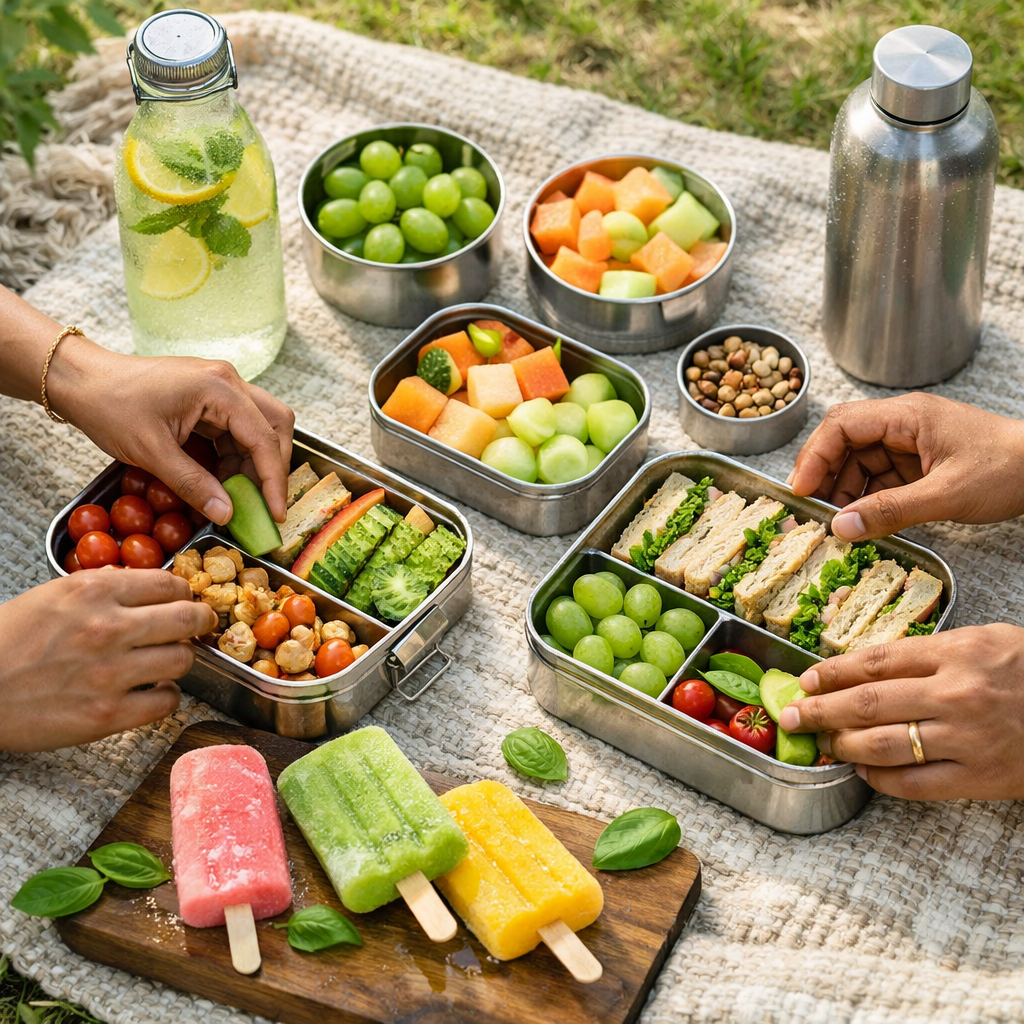
Summer meals should mostly be about two things: cooling and speed. Minimal heat encourages maximal enjoyment of everything else, that’s true even if you love to cook. The guiding idea: prep quickly, hydrate constantly, use no-heat meals wherever you can. If you want more time outside and less in front of a stove, that’s the leverage point.
Homemade fruit pops: Blend fruit and either yogurt or juice; freeze. The frozen texture will be creamy, and if you mix up batches, you can avoid food boredom without buying anything processed.
Chilled honeydew soup: Cube and freeze then blend straight from the freezer; mint is optional but makes the soup feel special.
Pastas best served cold: Cook ahead, toss with olive oil, fresh herbs, and whatever local veg is cheapest and crunchiest. Add dressing at the last moment; flavor stays bright.
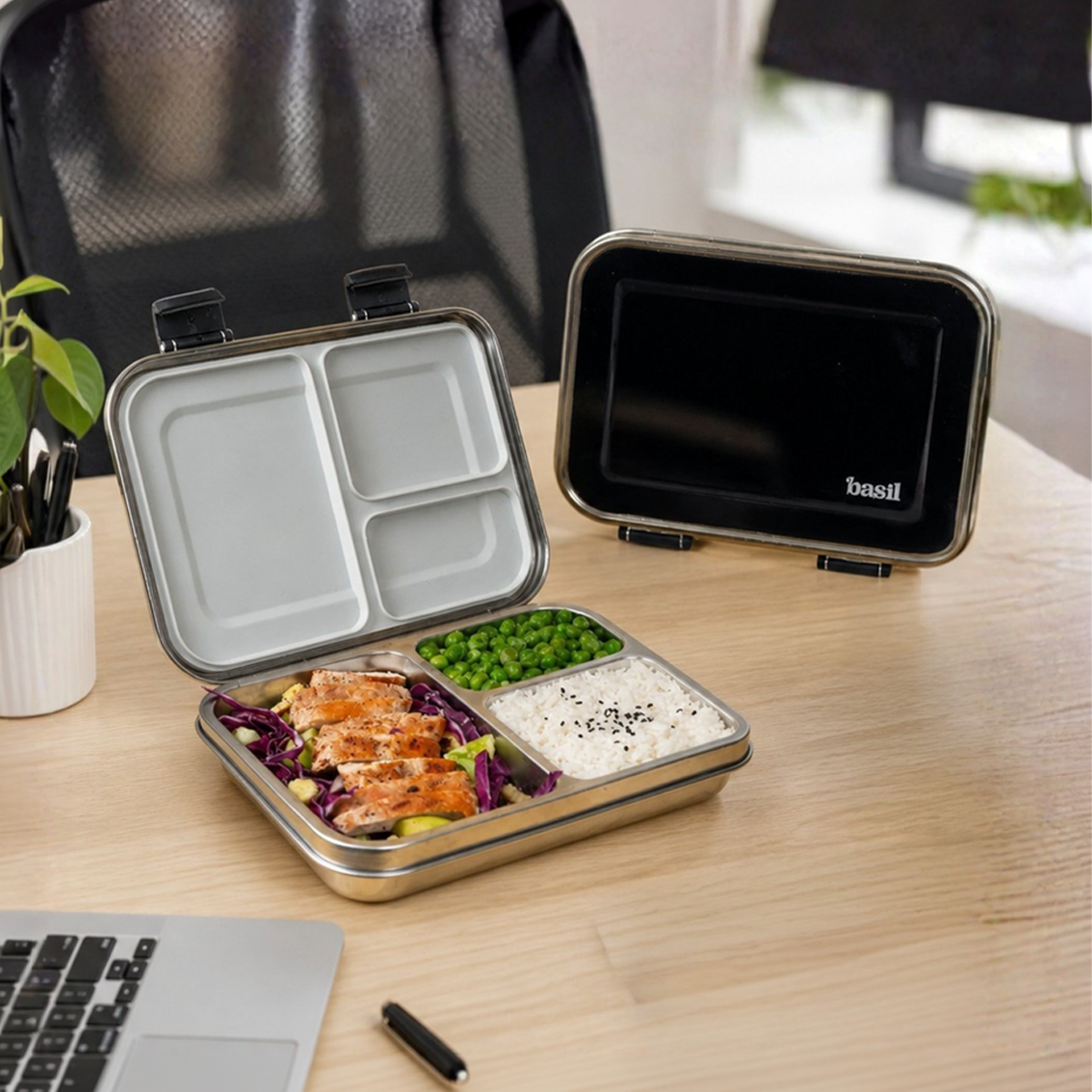
Portable picnic kits: Skip plastic; use stainless‑steel bento boxes with wraps, dips, fruit. Basil’s Bento Quad or Neo models are functional, family‑proof, and listed at comfortable price points for 2026. Satisfyingly low-mess for school lunches and park outings.
Staying Hydrated & Getting Enough Electrolytes
High summer means you need to replace sodium and potassium, fast. Prioritize coconut water, classic nimbu paani (lemon water plus salt), buttermilk (chaas), and bananas. For all-day outdoor events, especially anything labeled summer of dance or similar, make refillable steel bottles non-optional and refill them habitually.
On Nutrition and Actual Access During School Breaks
The playbook for food security is straightforward: if school’s out, start by searching your state’s “summer ebt” or SUN Bucks program. Most now have a five-minute screening tool, use it first. When you qualify, lock in your application early; don’t let government processing become the bottleneck in your household’s summer eating plan. School districts can usually point to state benefit timelines. Run the screener, submit the online application, and work your meal planning around the benefit schedule so you’re never caught short. If you have summer school, ask directly about free meal programs and alternative summer food resources at your district as an additional safety net.
Academic & Financial Tools for Summer, The Quick Navigator
Summer terms, sessions, and funds can seem arbitrary, or worse, unpredictable, unless you decode the system in advance. The path is always shorter, and less stressful, when you know which forms or deadlines apply. Below, I’ll summarize the essential strategies for navigating summer courses, financial support, and food benefits like summer ebt.
What’s Actually Happening With Summer EBT (SUN Bucks)
Here’s how the system works now: Most states use SUN Bucks (the generic name for summer ebt) to deliver grocery money to school kids when there’s no cafeteria. Delivery varies; some states use third‑party tech (like Arise S‑EBT) to run the backend and eligibility filters. If you want to access summer ebt, head to your state portal, fill out the application, or better, use the screener to pre‑qualify. All timelines are local, so the only safe move is to check your state’s rollout page as soon as summer starts. If you’re unsure in your situation, run the screener anyway. The cost is five minutes and the upside is real relief.
What to Know About Summer Financial Aid, A Shortlist
Complete your FAFSA if the system requires it. Add your specific school’s summer aid forms; they often differ from main-year paperwork.
Ask if your school uses prior-year aid allocation, some only grant summer funds from what’s left over (as Saint Peter’s and others make explicit in the small print).
Validate the enrollment threshold. Most summer loans or aid require at least half-time coursework, often 6 credits per semester or a similar lower bound.
Find your session’s dates and refund ranges; submit aid requests as early as possible. Delays matter more when timelines are compressed.
Packing, Planning, and Logistics, Checklist for an Uncomplicated Summer
Preparation gives you slack, more choices, less panic. To optimize for limited time and attention, here’s the core summer checklist, whether you’re booking classes, assessing community events (summer of dance a personal favorite), or lining up care around the extended school break.
Double‑check all session calendars, both I and II (which some campuses call summer I and summer II), plus refund deadlines. List them together, then cross them off as you confirm.
Financial protocols: always submit FAFSA equivalents and targeted summer forms on time. If your school is on a quarter system, ask about financial aid for summer quarter, the frames are different from semesters.
Know your paperwork: many schools will hand you a summer loan request form or require entry to a summer grant pool. Find out if you’re a loan recipient in the summer tranche. If you or someone you hire is a minor, employers may be required to keep youth employment forms on file, see this example L&I form: Do not mail this form to L&I. This form must be kept on file by the employer at the minor's workplace and be available for department audit.
Early action: complete summer school and online summer applications as soon as you decide to join a program. Procrastination costs more later.
Food security: use the summer ebt application and quick eligibility tools as soon as you anticipate need. Sooner is always less stressful.
Pack for sun and nutrition: sunscreen, broad hat, breathable top layers, a leak‑proof bento, and a refillable steel bottle. Everything else is optional.
Academic engineering: lay out all courses, session dates, and possible overlaps with summer study abroad deadlines if relevant to your plan.
Note: Some universities thread summer and winter sessions, if you’re accelerating credits, plan for both and segment your focus accordingly.
Quick Answers to Common Summer Questions
Q1: What exactly is Summer EBT, and who gets it?
A1: Summer EBT (SUN Bucks in some states) gives food assistance to school-aged kids during break. Eligibility, timing, and delivery depend on your state’s system. Most now have an online portal; start there for your application. Try the screener first (when available) for a fast pass to likely eligibility. Vendors like Arise S‑EBT run the behind‑the‑scenes coordination for many deployments. For a state example and details about SUN Bucks, see your state’s page such as Colorado's Summer EBT (SUN Bucks).Q2: How do I lock in summer term financial aid?
A2: Typically, you’ll submit FAFSA (if your school uses it) and the summer-specific aid form or grant request. Many colleges and universities need a separate summer grant/loan form, hit your institution’s aid office site for rules and dates.Q3: Why does “Session I” differ from “Session II?”
A3: Session I usually runs early in summer, Session II toward the end. Each has its own length (usually condensed), and their start/stop and refund periods vary. Always check your school’s specific dates before hitting submit on any class.Q4: Can I get aid for summer school or summer quarter?
A4: Many schools do allow it, if you have enough “prior-year” aid remaining and meet the enrollment minimum. Federal loans typically require half-time (often 6 semester credits or 4.5 trimester credits), ask your institution to get the threshold for your system.Q5: Where’s the official Cal Poly summer listing?
A5: Go to the Cal Poly summer page. It shows session calendars, course lists, and how to apply, including financial aid timelines.
Your Summer Playbook: Stack the Odds in Your Favor
Use these collected principles and lists to select outfits that serve every context, to fill your summer with activities that fit your actual needs, to plan meals and hydration that don’t become chores, and, above all, to reduce uncertainty in academics and food access. For anyone who needs extra support, prioritize summer ebt (application or screener), and start navigating aid windows immediately. The highest leverage move for a thriving summer is deliberate early action. Here’s to a summer that’s both sun‑safe and sharply executed.
Our Notebook
Tips. Ideas. Inspiration for parents.

Efficient Tips for Packing School Lunches Quickly
Discover quick and efficient tips for packing nutritious school lunches that kids will love, making mornings less stressful for parents.

Creative Ideas for Packing Fun Kids Lunches
Discover exciting ways to pack healthy and fun lunches for kids. Explore creative ideas, expert tips, and nutritional insights for balanced meals.

Discover the Nutritional Value of Indian Food
Explore the nutritional richness of Indian cuisine. Uncover how traditional dishes contribute to a balanced, flavorful diet.