




No-Reheat Meals for Kids to Beat the Heat

Meals for Kids That Beat the Heat: The No-Reheat Problem
Let’s set the scene: It’s midsummer. The kitchen is full of sun and you know if you turn on the oven you’ll regret it for hours. Or maybe you’re packed for a trip, or worse: stranded in a hotel room with nothing but a mini-fridge and a child who’s in the terminal stage of “hangry.” In the real world, parents and carer need food that can handle heat, travel, and chaos. The constraint: nothing gets reheated. That means meals for kids, reliable, safe, and genuinely decent, when you haven’t got an oven, microwave, or even much time. Below: how to sidestep the obvious pitfalls of this territory, think about no-heat meals the way a hacker would, and a toolkit of quick rules, micro-recipes, simple swaps, and a checklist you can print or just keep in your head.
Side note about expertise: The only thing worse than a hungry child is a sick one. Food safety matters. For no-heat meals, the basics save you: keep perishables cold, be paranoid about the “danger zone” where germs thrive, and treat containers and cool-down like a startup treats launch day: no shortcuts.
Safety in Practice: Minimalist Packing Playbook, Keep It Cold, Keep It Simple
Strip down to essentials: keep what has to be cold cold, and keep wet away from dry. The heart of this is the “danger zone”, roughly 4°C–60°C, which is where bacteria can hit rapid growth. The USDA and FDA both say your window for unrefrigerated perishables is no longer than 2 hours (or 1 hour if you’re above 32°C ). Ignore this and you’re rolling dice with foodborne illness, and that’s one startup you don’t want your kids investing in.
About Rice, Pasta, and Cooling Rate
Cooked rice and cold pasta are the sleeper risk: Bacillus cereus, which flourishes if you let things linger in the danger zone. The hack is simple: get these cooled and into the refrigerator as soon as possible. If what you’re packing was yesterday’s dinner, remember the usual mantra: only safe if you would eat it steaming hot. Otherwise, pivot, turn that pasta or rice into a chilled salad and keep it cold from the second it stops steaming.
Broth, Deli Cuts, Dairy: Where Safety Gets Boring but Crucial
Bone broth is fantastic for those scraping-through Venn diagram intersections of nutrition (postpartum, recovery, picky eaters), but it’s also a risk if you leave it out. Chill or insulate it, don’t just leave it at room temperature. Deli meats? Official conservatism says you should heat to steaming hot throughout especially for higher-risk kids. And for yogurt: go pasteurized, not raw milk, if there’s the least bit of doubt.
Packaging for Sanity and Safety
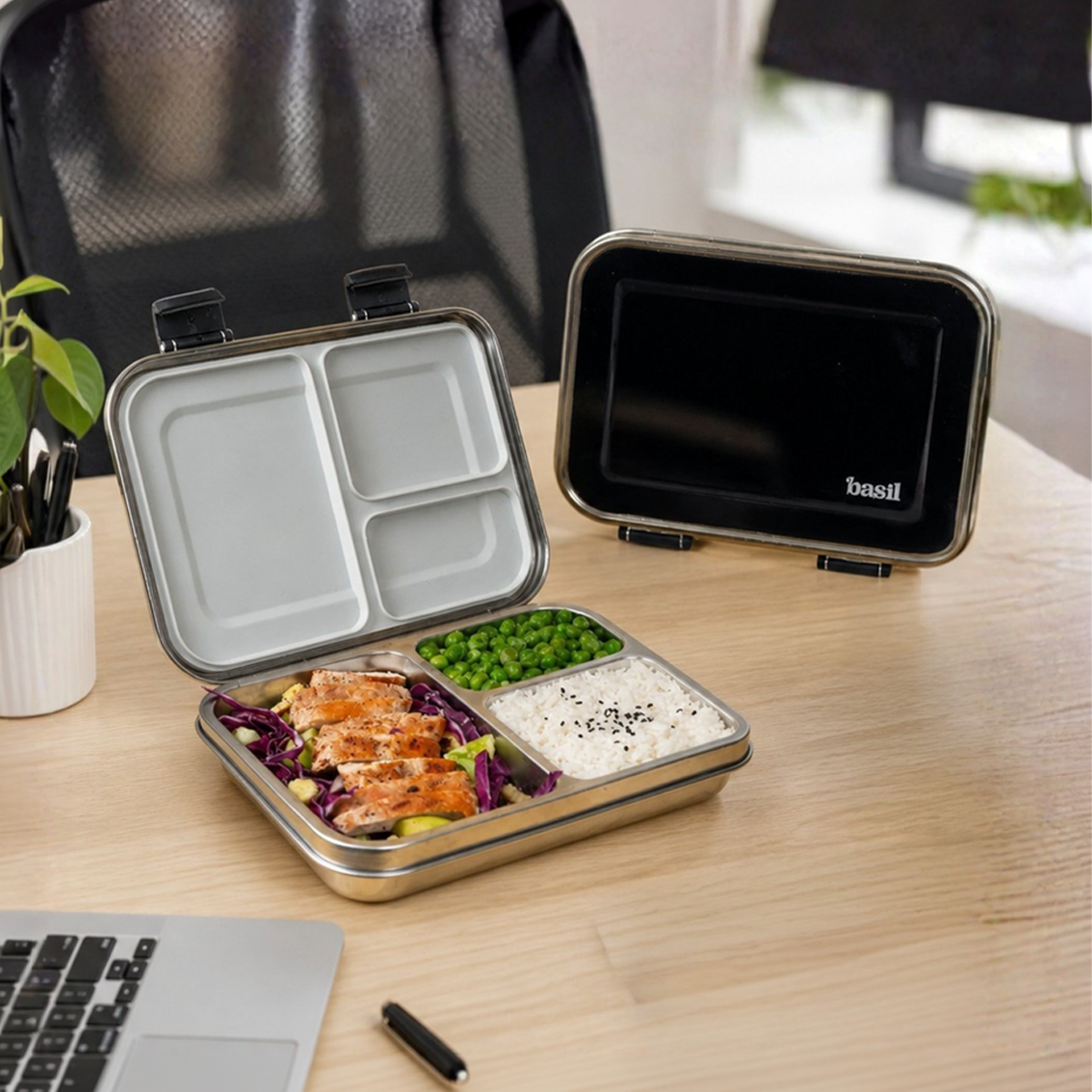
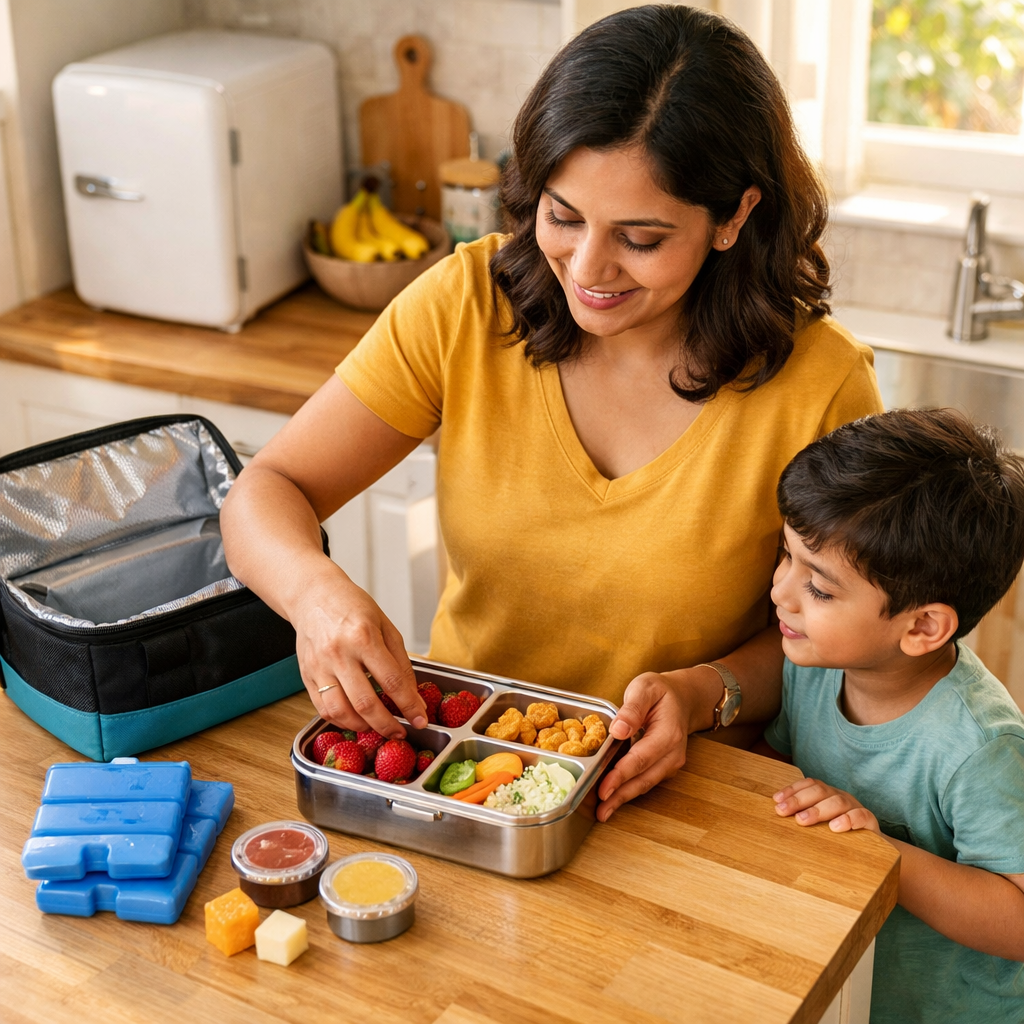
Your hardware is just as important as your ingredients: invest in compartmented, leakproof stainless-steel bento boxes. Really. Add frozen ice packs and an insulated bag. Hotel room? No kitchen? Now is the time to employ shelf-stable ready-to-eat food from reputable meal delivery outfits or actual gourmet meals designed to be eaten cold, not “heat-and-eat” stuff that’s now “not-heat-and-eat-and-also-not-safe.”
Tinkerers’ List: 20 No-Reheat Meal Ideas, Reliable, Quick, and Travel-Ready
This isn’t Pinterest. You don’t need themed toothpicks, you need meals that just work in five minutes, reliably, and don’t tempt fate with the FDA. Each suggestion is a building block, with notes for packing, safety, and swaps, so you can cycle through them for toddlers, picky kids, or recovery meals, no reheating and no dice-rolls with risky leftovers. Warm up? That’s not for today.
Avoiding Gotchas: Packing & Safety Essentials
Chill the risky stuff quickly. Rice, brown rice, pasta, get it fridge-cold, and remember the game: 2 hours out, max. More than 90°F outside? Cut that to 1 hour. The Bacillus cereus risk isn’t theoretical.
Dips and bone-broth-based dips should be tucked into small sealed pots inside your main box, and always on ice. Never pack bone broth at room temp: it’s nutritious only if it’s not hazard soup.
Lean hard on your gear: bento boxes (compartmented, leakproof, stainless-steel), ice packs, insulated bags. It’s for food hygiene, but also for child-appeal: compartmentalization is your friend.
If refrigeration is not happening, say, travel or hotel, stick to shelf-stable or officially ready-to-eat meals. Heat-and-eat is out, unless you really can reheat fully.
Leftovers are only repurposed if you can chill them fast and keep them cold. If you feel any doubt, don’t try to squeeze out one more meal, safety over thrift.
Bottom line: there’s no food hack that beats basic hygiene and following your local Food Standards Agency guidance. If using meal delivery, check if “ready to eat” means just that, or if there’s fine print about reheating that makes the meal a hazard in disguise.
Nutrition, Swapping, and Meal Structure, Balance Made Simple
Meal / example |
Protein source |
Veg / fruit content |
Carbs (brown rice / pre‑cooked rice / cold pasta) |
Quick swap for nut, dairy, gluten allergies |
Best for |
|---|---|---|---|---|---|
Overnight oats (brown rice variant) |
Milk or yogurt |
Banana / berries |
Brown rice flakes or oats |
Nut allergy: sunflower seed butter; dairy: plant milk |
toddler / postpartum recovery meals |
Tuna cheddar lunchbox bites |
Canned tuna |
Minimal (add cucumber) |
Cracker base (gluten swap: rice crackers) |
Nut-free by default; dairy: skip cheddar or use dairy-free cheese |
older kid / postpartum recovery meals |
Bean & corn burrito bowl |
Beans (plant protein) |
Corn, tomato, avocado |
Pre-cooked brown rice or cold pasta |
Gluten: corn chips or gluten-free tortillas; dairy: omit cheese |
toddler / pickytoddler |
Hummus taco bowls |
Hummus (chickpea) |
Avocado, lettuce, tomato |
Optional pita or chips |
Sesame allergy: check tahini; nut: hummus is nut-free |
vegetarian / travel-friendly |
Pre-cooked brown rice salad with edamame |
Edamame / canned tuna / egg |
Carrot, cucumber |
Brown rice (pre-cooked rice) |
Dairy: omit dressing with yogurt; nut: seed butter swap |
postpartum recovery meals / older kid |
How to balance, and what to avoid: Combine a protein (tuna, beans, egg) with a vegetable and a grain (brown rice or whole-grain pasta) for meals that don’t just fill a hole, but keep kids steady. Safety-wise, treat the FDA’s two-hour rule as gospel (1 hour if it’s over 90°F). Chill food fast after cooking, don’t limp along with “almost cold.” The path of least resistance is turning leftovers into a cold salad, not gambling by packing semi-warm rice or veggies. For postpartum and other high-need meals, add in dense proteins or cold-safe broth if you’re equipped to keep them truly cold. If your kitchen is a hotel fridge, shelf-stable gourmet is smarter than “just fudge it and hope.” When allergies enter, just swap: sunflower seed butter for nuts, plant-based yogurt for dairy, rice crackers for gluten. Most families have their own language for this, but simplicity wins here.
Batching, Presentation & Storage: Hacker Habits That Actually Work
Batch ahead & cool quick: Measure like a Y Combinator startup prepping for demo day: cook, portion, cool in shallow pans (from 135°F to 70°F in 2 hours; then to 41°F in 6 hours per FDA). Date it; use in 2–4 days. “Leftover” shouldn’t mean “roulette.”
The right gear: Leakproof, compartmented stainless-steel bento boxes (the “Basil” type are good), plus a real insulated bag and serious ice packs. Dips or yogurt? Pack in small sealed cups to keep crisp dry elements from getting soggy. If you’re out in the wilds of hotel cooking, shelf-stable meal kits or freeze-dried come into their own.
Presentation for humans, not magazine shoots: For kids who get fixated on textures or colors, small silicone cups, cookie-cutter shapes, and individual dipping pots go a long way. Avoid raw milk yogurt for toddlers; stick to pasteurized or plant options, and keep it cold.
When the reheat rule can’t be dodged: Sometimes safety leaves you no choice: deli meat or leftovers that aren’t cold enough demand heating to steaming hot throughout. Treat it as non-negotiable, no matter how much the child objects.
Your minimalist checklist: One insulated bag, frozen ice packs, decent bento, insulated bottle, and a few sauce pots. That’s the backbone of safe, effective no-reheat meals, broth and all, on the move or at home.
FAQ: No-Nonsense Answers
Q: How long can I leave a no-heat lunch out?
A: 2 hours at room temperature, 1 hour if above 90°F. That’s straight FDA/USDA advice. Ice packs and insulated bags buy you a little time but don’t ignore the clock.Q: Is pre-cooked rice safe in a cold salad?
A: Only if it was cooled rapidly, shoot for 135°F to 70°F within 2 hours, then 41°F in 6 hours. Miss those, and you risk Bacillus cereus. When in doubt, ditch it.Q: Can I include bone broth in a no-heat meal for kids?
A: You can, if it’s chilled, sealed, and treated like a critical component, never left at room temp. Travel or hotel? Use a thermos, or skip it if you can’t keep it cold.Q: Are deli meats safe unheated for toddlers?
A: Risky. If you go for it, chill and use quickly. For small kids, most health agencies urge you to reheat deli meats until steaming hot throughout. Otherwise, use cooked chicken strips or other pre-cooked, safer protein.Q: Can I rely on prepared meal delivery services for no-reheat days?
A: Yes, if you’re picky. Only “ready-to-eat” or shelf-stable items count. The rest, marked “heat-and-eat”, are unsafe cold.Q: How to avoid risky reheating altogether?
A: Convert leftovers to cold applications and cool them instantly. Otherwise, no way around it: heat leftovers or deli meats until they’re steaming hot throughout before packing.Q: What if you’ve got a picky toddler or need custom swaps?
A: Compartment everything, offer variety, give allergy-friendly swaps (seed butters, plant yogurt, gluten-free grains), and for travel, lean on shelf-stable foods or trusted delivery services. Simplicity, reliability, and choice win out in the long run.
Our Notebook
Tips. Ideas. Inspiration for parents.

Efficient Tips for Packing School Lunches Quickly
Discover quick and efficient tips for packing nutritious school lunches that kids will love, making mornings less stressful for parents.

Creative Ideas for Packing Fun Kids Lunches
Discover exciting ways to pack healthy and fun lunches for kids. Explore creative ideas, expert tips, and nutritional insights for balanced meals.

Discover the Nutritional Value of Indian Food
Explore the nutritional richness of Indian cuisine. Uncover how traditional dishes contribute to a balanced, flavorful diet.