




How to Develop Healthy Eating Habits in Kids

Key Takeaways
- Healthy eating habits for kids are built through routine, not force.
- Children may need multiple tries before they accept a new food, and that’s normal.
- A balanced plate matters more than a “perfect” one.
- Eating together without screens helps children focus better on food.
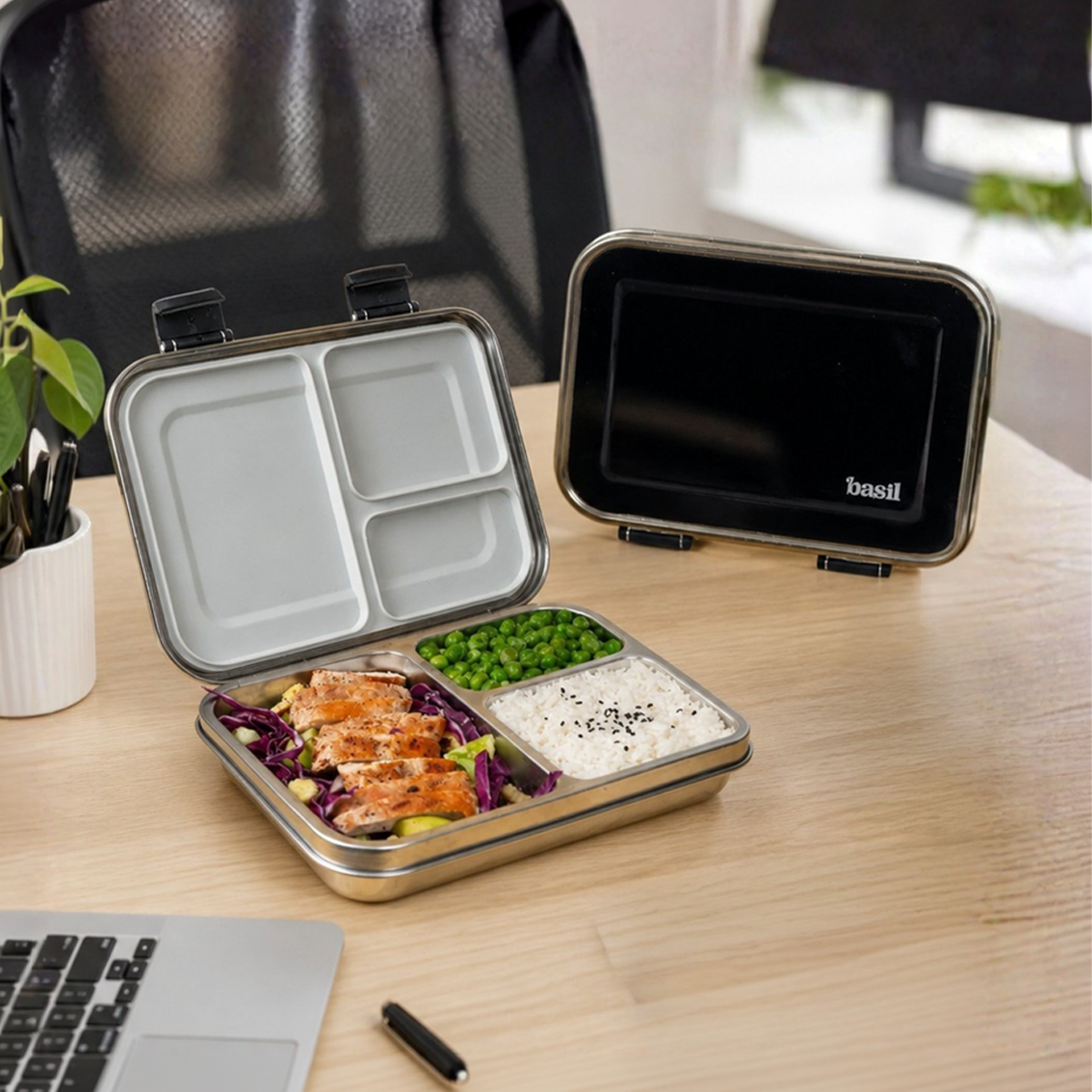
- Small things like how food is served or packed, like using an Indian bento box from Basil, can improve good eating habits for kids.
In This Article
Why Healthy Eating Habits Matter in Childhood Development
Which Foods Should Be Included in a Child’s Diet?
Practical Ways to Develop Healthy Eating Habits in Kids
5 Healthy Eating Habits Every Child Should Learn
Mistakes Parents Should Avoid When Teaching Healthy Eating
Healthy eating habits start to feel like a daily struggle for parents. Vegetables pushed aside. Mealtime stretches on forever. Snacks are preferred over anything cooked at home.
It’s not always about the food you serve them. Research in child nutrition shows that children are naturally wired to prefer familiar tastes and may reject new foods multiple times before accepting them.
So, refusal doesn’t mean permanent rejection. It just means “not yet.” Healthy eating habits for kids are shaped slowly, through repetition and routine.
Why Healthy Eating Habits Matter in Childhood Development
A child's body and brain are growing at the same time, which means food isn't just fuel; it affects focus, mood, and how they sleep. Good eating habits for kids influence:
- Energy levels and focus
- Immunity and resistance to infections
- Growth and bone development
- Emotional regulation
According to the World Health Organisation (WHO), balanced nutrition in early years reduces the risk of obesity, diabetes, and heart disease later in life.
Which Foods Should Be Included in a Child’s Diet?
If you’re wondering about the best food for kids, ignore anything that needs a recipe.
A healthy plate for a child should include:
- Carbohydrates (energy)
Rice, roti, oats, millets
- Protein (growth)
Dal, legumes, paneer, eggs, chicken, fish
- Healthy fats (brain development)
Ghee, nuts, seeds
- Fruits and vegetables (vitamins and fiber)
Seasonal fruits and vegetables are always better. Aim for variety, including leafy greens and root vegetables
- Dairy (calcium)
Milk, curd, cheese
If you’re packing meals for your child at school or daycare, using something like a Bento Lunch box makes this easier. You don’t have to overthink meal prep, just fill each section with one food group, and you’re done.
And let’s be honest, everyone enjoys food that looks good on the plate. A simple meal in a colourful kids' plate often gets eaten without much fuss.
Practical Ways to Develop Healthy Eating Habits in Kids
Most parents struggle right here, not with what to feed but how to. Building healthy eating habits for kids doesn’t need strict rules. It works better when it feels like a normal part of the day.
- Set a simple routine
Children eat better when they know what to expect. Keep meals and snack timing consistent.
Sit together for meals whenever possible, without screens. This helps kids focus on food and builds a positive connection with eating.
- Keep healthy food within reach
Kids usually eat what they see first. Keep fruits, cut veggies, or yogurt easily available. When healthy options are visible, they get picked more often without much effort.
Serving snacks on snack plates or in small portions also makes them feel more manageable and inviting.
- Involve your child
Children are more open to eating what they help prepare. Take them along for grocery shopping. Let them wash vegetables or help pack their lunch.
Even small choices like picking between two vegetables can make them feel involved.
- Offer variety, but keep it simple
You don’t need a long menu. Just a small variety across the week is enough.
Serve new foods alongside familiar ones. And don’t give up after one try. Most children need repeated exposure before they accept something new.
- Make food look inviting
Like all of us, kids eat with their eyes first too. Simple changes like using a two compartment lunch box or adding small condiments in sauce containers can make regular meals more appealing without extra effort.
- Be mindful of snacks and drinks
Frequent snacking can reduce hunger for meals. Keep snacks planned. Offer water regularly and limit sugary drinks so kids don’t fill up on empty calories.
- Be a calm role model
Children watch more than they listen. If they see you enjoying a variety offoods, they’re more likely to try them too.
Avoid forcing them to finish. It creates resistance. Let them learn when they’re full.
5 Healthy Eating Habits Every Child Should Learn
These 5 healthy eating habits are simple, but they make a lasting difference:
- Make water the default drink at home. Keeping a water bottle or a sipper bottle within reach throughout the day helps more than constant reminders
- Eat a mix of colours. Try to include a variety of colorful fruits and vegetables in your meals
- Let them learn when to stop. Avoid asking them to “finish everything.” This helps prevent overeating and builds a healthier relationship with food.
- Be part of the process. Let them help with small tasks around food prep. It builds interest and makes them more open to trying what they helped prepare.
- Eat together, without any distractions. Sitting together, even for one meal a day, helps create structure. Keep screens away so kids can focus on eating and talking.
Mistakes Parents Should Avoid When Teaching Healthy Eating
Even with the best intentions, a few common mistakes can make healthy eating for kids harder. Here’s what to watch out for:
1. Forcing kids to finish everything: It may come from a good place, but it teaches children to ignore their own hunger and fullness signals. Over time, this can lead to overeating or resistance during meals.
2. Using food as a reward: “If you finish your veggies, you get a dessert.” This makes sweets feel more exciting, and vegetables feel like a task. It simply creates wrong food priorities.
3. Offering too many snacks: Constant snacking reduces appetite for proper meals. Try to space out snacks and keep them planned, not something kids reach for all day.
4. Giving up on new foods too quickly: Just because a child refuses something once doesn’t mean they’ll always dislike it. Keep offering the same food in small amounts, in different ways.
5. Relying too much on distractions: Screens during meals might seem helpful in the moment, but they disconnect kids from what they’re eating. This often leads to overeating or not noticing hunger and fullness cues.
6. Expecting instant change: Healthy eating habits take time. Children don’t shift their preferences overnight, and that's completely normal. Small, repeated efforts work better than strict rules.
Conclusion
Healthy eating habits don’t come from one perfect meal. They are built slowly through what children see, repeat, and get used to every day.
Small changes in how food is offered, served, and experienced can make a bigger difference than strict rules ever will.
If you’re trying to make everyday meals easier and more structured, the right tools can help without adding extra effort. You can explore thoughtfully designed options like a 4 compartment lunch box for adults or an insulated jar for carrying warm, home-cooked meals on the go.
Find practical mealtime essentials at Basil and make healthy eating habits a little easier to follow, every single day.
Frequently Asked Questions
1. At what age should healthy eating habits start in kids?
Healthy eating habits can begin as soon as solids are introduced, usually at around 6 months. Early exposure to different tastes helps children become more open to a variety of foods as they grow.
2. How many meals should a child eat in a day?
Most children do well with three main meals and two small snacks. This keeps their energy stable and prevents constant hunger.
3. Why is my child always hungry even after eating?
This can happen during growth spurts; it may mean the meal lacks enough protein or fiber, which helps keep children full for longer.
4. Is it okay to give snacks to kids every day?
Yes, as long as snacks are planned. Fresh fruits, nuts, yogurt, or simple homemade options work better than processed packaged snacks.
5. How do I create a healthy meal routine for kids?
Keep meal timings consistent. Offer balanced meals, and avoid frequent snacking in between. Over time, this builds strong, healthy eating habits without making it stressful.
Our Notebook
Tips. Ideas. Inspiration for parents.

Efficient Tips for Packing School Lunches Quickly
Discover quick and efficient tips for packing nutritious school lunches that kids will love, making mornings less stressful for parents.

Creative Ideas for Packing Fun Kids Lunches
Discover exciting ways to pack healthy and fun lunches for kids. Explore creative ideas, expert tips, and nutritional insights for balanced meals.

Discover the Nutritional Value of Indian Food
Explore the nutritional richness of Indian cuisine. Uncover how traditional dishes contribute to a balanced, flavorful diet.