


Top Stainless Steel Lunch Boxes for Every Need (2026)

Best Stainless Steel Lunch Box Roundup (2026): Top Picks for Kids, Commuters & Meal-Preppers
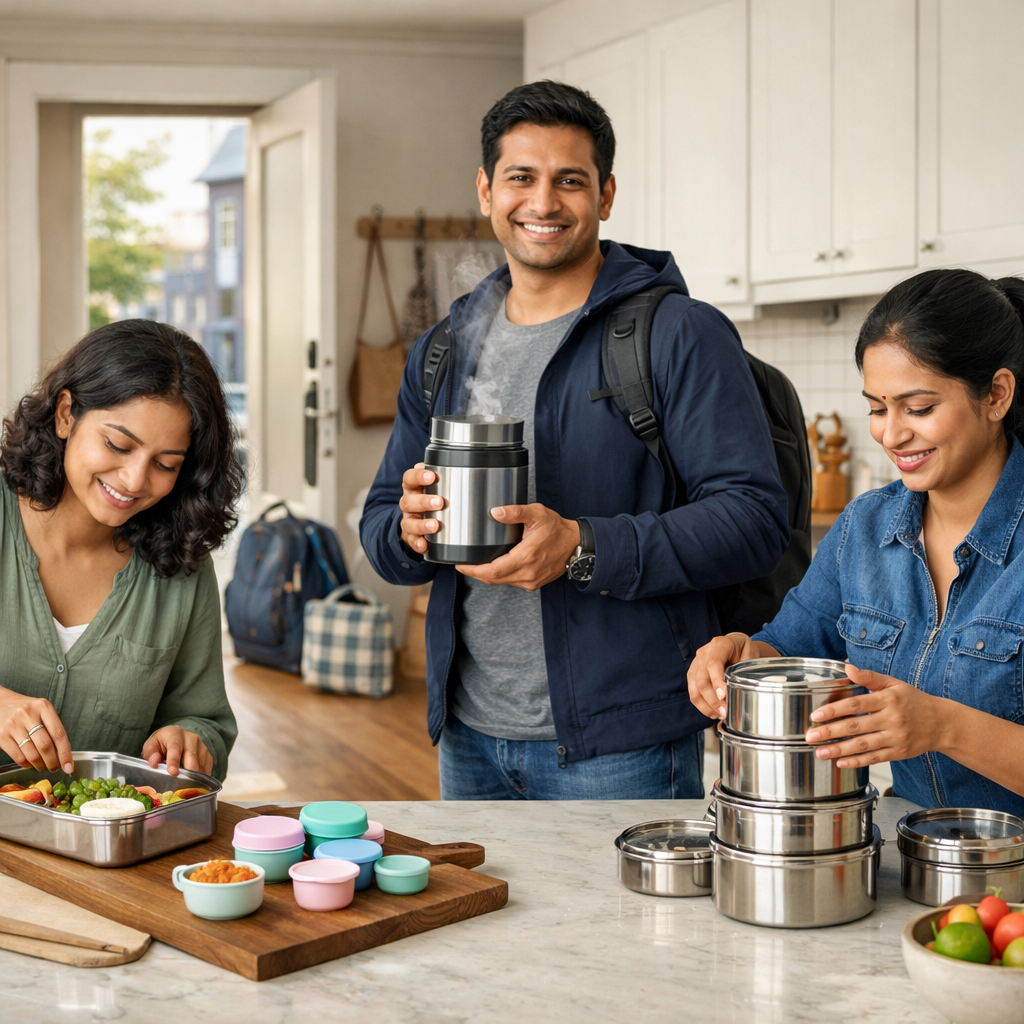
The market for stainless steel lunch boxes tends to reflect people’s changing relationship with their food – and, maybe unconsciously, their relationship with things that last. If you’re after a lunch box that doesn’t split, warp, or quietly leach chemicals, there are solid options now – some designed for parents packing for kids, some for commuters, some for meal-preppers and anyone aiming for zero-waste. In this roundup, I’ll walk through the essential forms: the archetypal bento lunch box, multi-compartment stainless steel bento lunch box variants, insulated stainless steel lunchboxes, and nickel-and-dime stainless steel snack containers. Price, use case, “best for,” and hands-on feedback all feed into what follows, ending with the pragmatic questions of care and packing. Think of these categories as axes around which you pick: will this go to school, to the office, or out on a picnic? By the end you’ll know the tradeoffs.
What actually matters here? A short list, really: how well they stand up over time as food storage (and here, durability counts more than finish), whether they’re genuinely leakproof (do silicone lids and silicone sleeves solve real problems, and for how long?), how well insulation works, how compartments shape meals (classic bento lunch box or the world of vertical stacks), and what can be paired with them, like custom snack containers or tight-sealing snack cups. The approach: ruthlessly pragmatic, but with clear picks for best use, hands-on summaries, and the stark rules you only learn after several years’ use.
The Fast Pick Sheet: Quick Comparison
|
Top Pick / Best For |
Model Name (example) |
Steel Grade |
Capacity & Compartments |
Insulated? |
Leakproof? |
Dishwasher Safe? |
Approx. Price Range |
|---|---|---|---|---|---|---|---|
|
Best Kid Designs |
Stainless steel (site lists stainless steel) |
3–4 compartments; kid-friendly themes |
No (some Thermo jars sold separately) |
Yes, silicone seals; marketed leakproof |
Dishwasher-safe claims on site |
Varies |
The table reduces a lot of noise to core patterns: you get classic stainless steel bento lunch box configurations (Bento), compact and sometimes disposable-feeling snack containers, and a spectrum of vacuum-insulated “keep food hot” inventions. If you care about durability (if your kids are rough, if you eat the same lunch most days, if you want to still have the thing next year), start with anything labeled 18/8 stainless steel or at least “304”. If you’re planning for more than dry crackers at lunch, if you want to pack soup or yogurt, look for a real silicone lid or at least a tight dip container. Kid brands like Basil lead with their lids – they know their market – and lean hard on replacement seals and fun locks. A blunt rule: these don’t go in microwaves. And for all the “dishwasher safe” claims, wash seals by hand. Simple distinctions, but ones that stop you dropping $40 on the wrong box for your needs. For a broad marketplace view and many models (including popular large bento styles), see available stainless steel lunch box options on Amazon.
Real-World Tests & Comparison Data
If you want to see what’s real versus what’s marketing, measure the things people don’t talk about before they buy: leak tests (does it survive a shake in the bag?), what dishwashers do to silicone, how it suffers from drops, insulation times, balance between portability and mass, and whether it’s possible to pack for a young kid in a rush. Here’s the matrix: if you care about stainless steel bento lunch box design or multi-compartment “rise food box” complexity, you want a box that solves these in one.
What we measured
-
Seal / Leak resistance: Top marks go to models with real silicone lid gaskets and mechanical clamps. Basil types didn’t blink at a round of oil-and-water “rotisserie” tests; medical-grade gaskets matter more than pretty latches.
-
Dishwasher effects: Repeated cycles kill silicone; it stiffens, leaks, or warps. Bentgo quietly advises hand-washing gaskets even if bodies are dishwasher safe. Basil offers clear replacement advice if anything goes wrong.
-
Durability (in practice): The physics is simple: 18/8 stainless steel lunchboxes take a beating. If you want your investment to outlast the school year, consider a silicone sleeve or bumper, one cheap part that saves the box.
Top takeaways
Compartmentalized bento lunch box designs are simply easier to pack, especially for variety eaters and kids. Snack cups or a proper leak-proof dip container plug the gap for sauces and yogurts. And no, stainless will not meet your microwave halfway: reheat before or choose insulated. If you want kid appeal, Basil split the difference, triple-checked seals, bright latches, and layouts even young kids can open.
Smart Buying Checklist
-
Steel grade: 18/8 (304) is the target for most lunches. Only look for 316 if you live on pickled lemons or need lab-grade salt corrosion resistance.
-
Capacity & compartments: For portion control, the bento approach wins. For big-food eaters or multiple sandwiches, go “rise food box,” i.e., single large compartment. LunchBots Duo at ~600 ml nails the snack or small lunch.
-
Insulation: Only real vacuums matter for keeping things genuinely hot. Non-insulated stainless steel lunchboxes are lighter, the play is to pair with a thermal jar for soups.
-
Leakproofing: Ignore “leakproof” on the box, observe the seals. If you can replace the silicone lid, better. Carry a leak-proof dip container if you want to sport a bento wet box idea (curries, sauces, dressings).
-
Dishwasher and care: Lunchbox bodies usually survive the dishwasher, but wash gaskets by hand. Your long-term cost centers are always the gaskets.
-
Use case: For kids: Basil or any “fun” rise food box with kid-locks and included cutlery. For serious meal-prep, go stackable or multi-tier sets.
-
Sustainability/value: Plastic-free stainless steel lunchboxes mean less microplastic in you and your kid. Insulation and thick steel cost more. Value is in those who sell replacement seals and spare dippers, if you can’t order them, rethink the buy.
Quick checklist:
-
Steel grade (18/8 or 304 is default; 316 is rare, for purists)
-
Leakproof rating, ability to order new silicone lids
-
Dishwasher advice for seals
-
Bento vs. big-box compartment setup
-
Warranty and spare part support
Longevity Tricks: Care, Maintenance & Packing Tips
Anyone who wants a stainless steel bento lunch box to last longer than a single semester learns the unglamorous truth: the enemy is always gaskets. Clean them after every use, dry them, replace when stiff. Bentgo runs a five-year warranty on some parts; Basil pushes replacement window at six months and lists spares openly. Buy a few extra seals, because the right time to replace one isn’t the morning you realize it’s missing. The same rituals keep snack containers and big rover lunch box sets going strong.
Cleaning & Seal Care
-
Pop out gaskets, hand wash; reseat dry and even, or suffer the consequences. The Basil leak test team notes: never pack wet if the seal is crooked.
-
Mild cleansers trump abrasives, both for steel and prints. Abrasives wear through design and finish just as fast as dishwashers blow out gaskets.
-
Replace annually, or at first hint of cracks, or stockpile extra snack cups and gaskets so “lunch fail” is never a morning event.
Dishwasher, Microwaves & Packing Habits
-
Most main bodies survive the dishwasher, gaskets do not. Hand-wash gaskets every time if you want them to last.
-
The fundamental flaw: steel can’t go in microwaves. You have two options: preheat before packing, or own an insulated jar. Don’t trust atomic-age marketing.
-
Best bundles: steel lunchboxes plus steel cutlery, a tiny leak-proof dip container, and a reusable water bottle, a kit that fits just about every version of “zero waste.”
Answers You Need: FAQ
-
Are stainless steel lunch boxes microwave safe?
No. It’s tempting to think the rules might have changed, ignore any marketing spin. Stainless bodies, no matter how fancy, don’t go in microwaves. Reheat first, or use an insulated jar for heat holding. -
What does 18/8 stainless steel mean and is it safe?
It’s shorthand for 18% chromium, 8% nickel, a formula nailed down as food-safe decades ago. It’s what you should look for, a reason it dominates bento lunch box specs everywhere. -
Are snack containers really leakproof?
Some are. Reality is in the lid and gasket, not the steel. For soupy or oily foods, always use a trusted dip container, don’t take vague “leak-resistant” on faith. -
Can I wash a bento lunch box in the dishwasher?
Bodies usually yes, seals often no. Hand-wash gaskets unless you’re happy to buy more. Bentgo’s own care notes admit this tradeoff up front. -
Which wins for kids: PlanetBox Rover or Bentgo Kids stainless?
No universal favorite: PlanetBox owns compartments, Bentgo leads with tight seals and easy latches. Basil is for the ones who need playful exteriors and swap-in kid gaskets. Buy for your child, not the ad copy. -
How do I care for seals and silicone sleeves?
Hand-wash, dry, store loose, not crammed onto hot steel. A collapsible lid or silicone sleeve helps with drops and “slippery hands” in schoolyard moments. -
Can insulated boxes actually keep food hot?
Vacuum-insulated models: yes, for several hours (manufacturer claims 6–8). If it matters, use a thermal jar, never an uninsulated lunch box, for anything wet and hot.
Our Notebook
Tips. Ideas. Inspiration for parents.

Efficient Tips for Packing School Lunches Quickly
Discover quick and efficient tips for packing nutritious school lunches that kids will love, making mornings less stressful for parents.

Creative Ideas for Packing Fun Kids Lunches
Discover exciting ways to pack healthy and fun lunches for kids. Explore creative ideas, expert tips, and nutritional insights for balanced meals.

Discover the Nutritional Value of Indian Food
Explore the nutritional richness of Indian cuisine. Uncover how traditional dishes contribute to a balanced, flavorful diet.